CO2 Laser
Equipment.
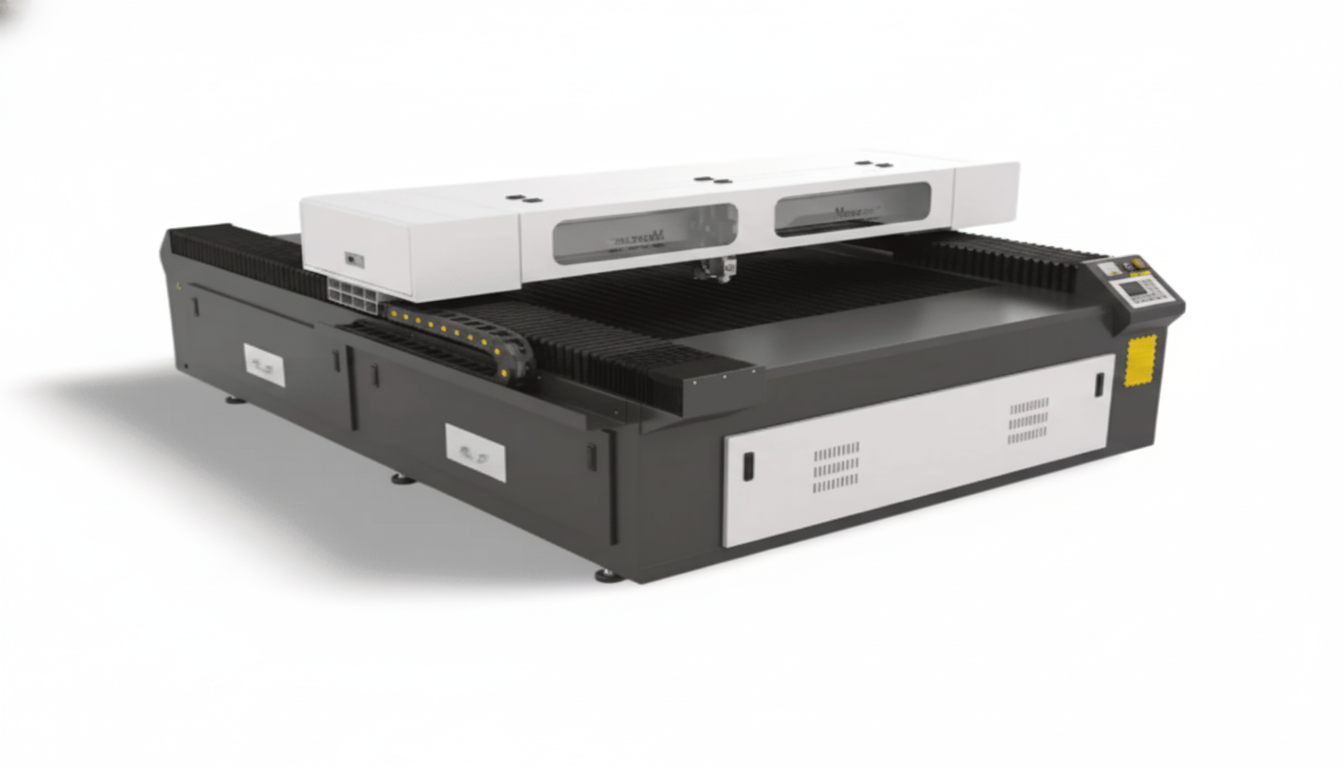
CO2 laser cutting and engraving machines for metals and non-metals
Maximum Efficiency
Equipped with load-sensing hydraulics that optimize flow for faster cycle times and reduced fuel consumption.
Certified Reliability
Every machine undergoes a rigorous 140-point inspection process before being listed in our inventory.
Service Included
Purchase or rent with confidence knowing our mobile service fleet is available 24/7 for on-site repairs.
Trusted by industry leaders
Available Models
Select a machine to view detailed specifications and pricing.
Frequently Asked Questions
What materials can CO2 lasers cut and engrave?
CO2 lasers excel at cutting and engraving non-metals including wood, acrylic, leather, fabric, paper, cardboard, rubber, and some plastics. They can engrave (but not cut) anodized aluminum and coated metals. Avoid PVC and vinyl which release toxic chlorine gas.
What laser power do I need for my application?
For engraving only, 30-60W is sufficient. For cutting thin materials (3mm acrylic), 60-80W works well. For production cutting of thicker materials (10-20mm acrylic), 100-150W is recommended. Higher power enables faster speeds and thicker material capacity.
How long does a CO2 laser tube last?
Quality CO2 laser tubes typically last 2,000-10,000 hours depending on brand, usage patterns, and maintenance. RECI and EFR tubes are known for longevity. Operating at recommended power levels (not exceeding 80% continuously) extends tube life.
What ventilation is required for a CO2 laser?
All CO2 lasers require proper exhaust ventilation to remove smoke and fumes. At minimum, an inline fan venting outdoors is needed. For indoor operation without external venting, a fume extraction system with HEPA and activated carbon filters is essential.
What is the difference between CO2 and fiber lasers?
CO2 lasers (10.6 micron wavelength) are absorbed by organic materials, ideal for wood, acrylic, and leather. Fiber lasers (1.06 micron) are absorbed by metals, perfect for marking and cutting steel, aluminum, and brass. They complement rather than replace each other.
Can't find what you're looking for?
Our procurement team can source specific models based on your project requirements. Contact us today for a custom fleet solution.