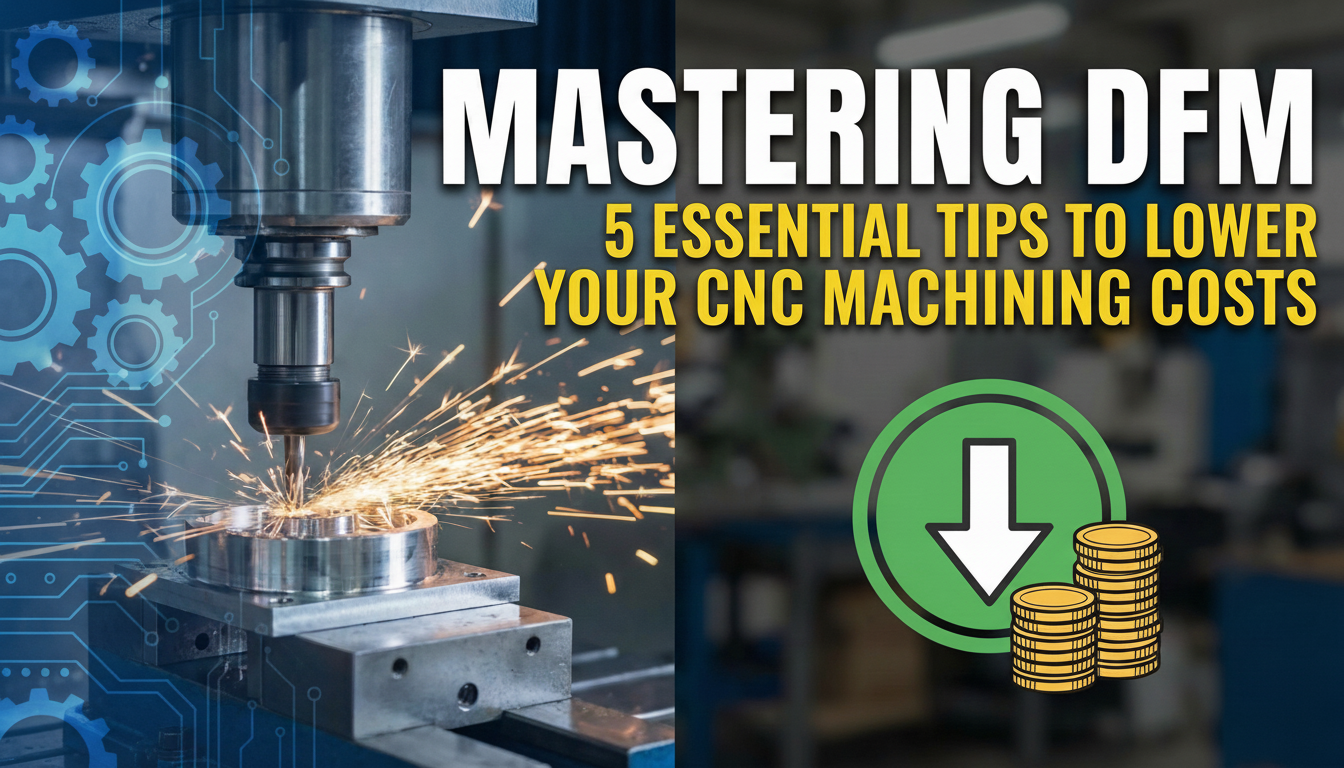
Explore High-Speed Machining and Trochoidal Milling to enhance tool life and reduce cycle times in your CNC shop.
Maximizing Shop Throughput: The Practical Guide to High-Speed Machining (HSM)
In the competitive world of CNC machining, the "old school" approach of heavy cuts at slow speeds is rapidly being replaced by a more sophisticated strategy: High-Speed Machining (HSM).
For small-to-mid-sized shops, transitioning to HSM isn't just about "going faster"—it’s about working smarter to extend tool life, improve surface finishes, and significantly reduce cycle times. At Accura CNC Supply, we see daily how the right combination of strategy and tooling can transform a shop’s bottom line.
What Exactly is High-Speed Machining?
While the name suggests high spindle RPMs, HSM is actually a philosophy of constant tool engagement and optimized chip loads. The goal is to maintain a consistent "chip thickness" by using lighter radial depths of cut (RDOC) paired with much higher feed rates and increased axial depths of cut (ADOC).
One of the most effective subsets of this is Trochoidal Milling (or "Dynamic Milling"). Instead of a tool plowing straight through a block of metal, it moves in a series of circular paths, ensuring the tool is never buried or overloaded.
The 3 Core Benefits of Switching to HSM Strategies
1. Heat Management (The Chip is the Heat Sink)In traditional milling, heat often builds up in the workpiece and the tool, leading to premature failure. In HSM, the high feed rates mean that the heat generated is literally carried away by the chips before it has a chance to transfer to the cutting edge. This allows you to run tools at speeds that would normally burn them out.
2. Drastic Increases in Tool LifeBecause HSM avoids the "shock" of traditional heavy-entry cuts, the cutting tool experiences less vibration and more consistent pressure. By utilizing the full length of the flute rather than just the tip, you distribute wear evenly across the tool, often doubling or tripling its usable life.
3. Reduced Stress on MachineryHigh-speed strategies utilize lower cutting forces. This means less strain on your CNC machine’s spindle and bearings. For shops running older equipment, HSM can actually allow you to produce high-precision parts that would have otherwise been too taxing for the machine’s rigidity.
Requirements for Success: What You Need
To successfully implement HSM in your shop, you need a synergy between three components:
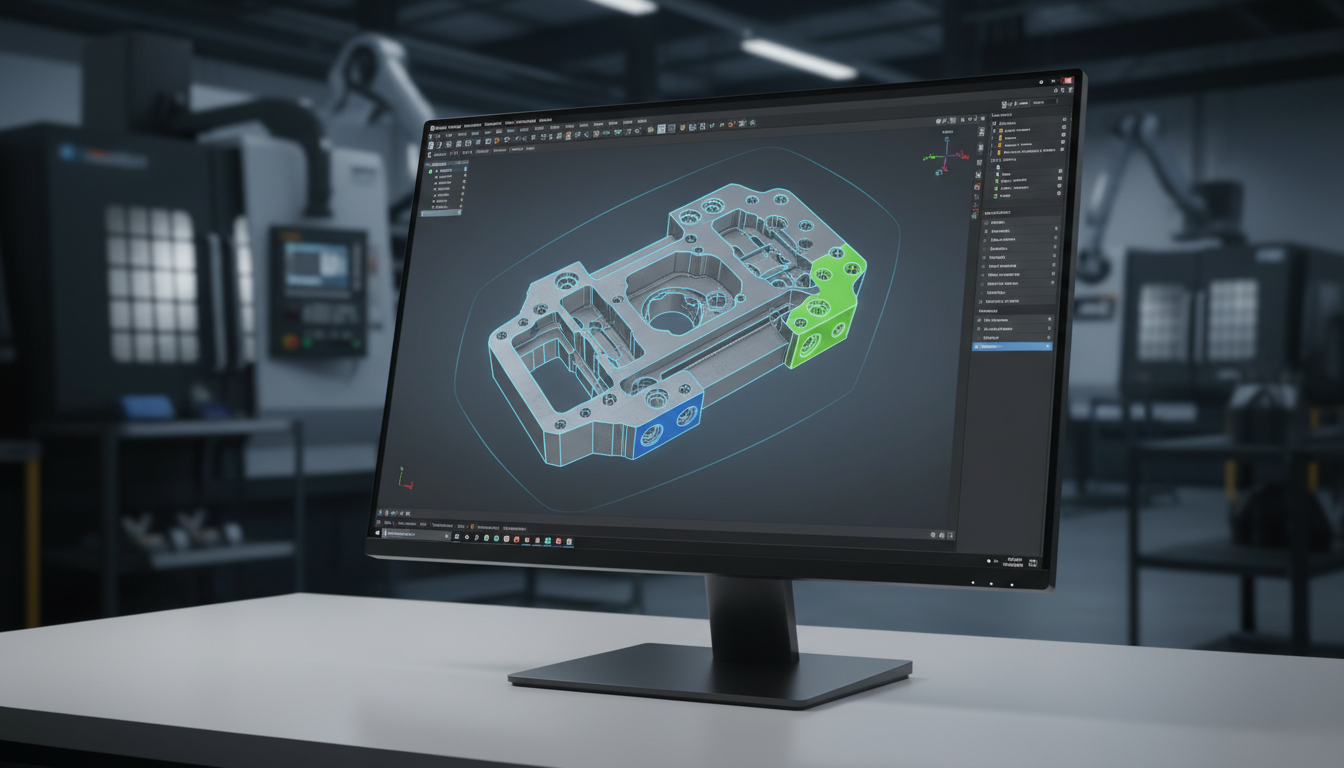
- Advanced CAM Software: You need a toolpath engine capable of calculating complex, non-linear movements (like trochoidal paths) to ensure the tool load remains constant.
- Rigid Tool Holding: High speeds require exceptional balance. We recommend moving toward shrink-fit holders or high-precision ER collets to minimize runout, which is the enemy of HSM.
- Specialized Tooling: Not all end mills are created equal. For HSM, you need tools with specific coatings (like AlTiN or TiAlN) and variable helix geometries to dampen harmonics.
Getting Started with Accura CNC Supply
Transitioning to high-speed strategies can be intimidating if you are used to traditional speeds and feeds. The "sweet spot" for HSM varies depending on whether you are cutting 6061 Aluminum or 4140 Steel.
At Accura CNC Supply, we don't just provide the hardware; we provide the expertise. Our inventory of high-performance solid carbide end mills and precision tool holders is specifically curated to help shops make the jump to High-Speed Machining.
Get Started Today
Browse our equipment or contact us for a free consultation. Email [email protected] — we respond within 24 hours.
Ready to get started?
Browse our equipment inventory or get in touch with our team for expert advice on your next project.