Step-by-step guide to importing a CNC router from overseas - from finding suppliers to customs clearance to getting it operational in your shop.
Overview of the Import Process
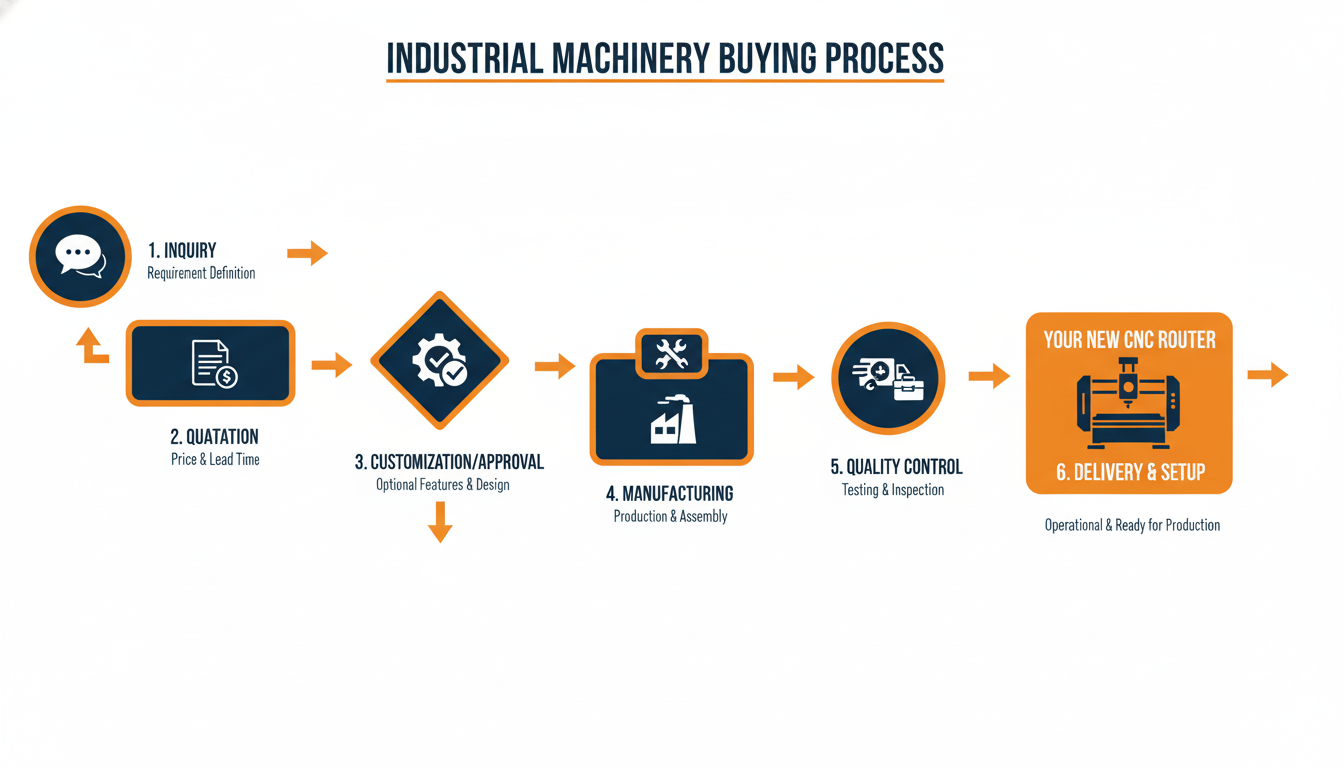
Importing a CNC router involves multiple steps across several months. Understanding the full process helps you plan realistically and avoid common pitfalls.
The typical timeline from first contact to operational machine: 8-16 weeks, depending on shipping method and complexity.
Step 1: Finding and Vetting Suppliers
Where to Find Manufacturers
- Alibaba: Largest platform, wide quality range
- Made-in-China: Similar platform with verified suppliers
- GlobalSources: More focus on established manufacturers
- Trade shows: CIMT, Canton Fair for in-person evaluation
- Industry referrals: Other buyers' experiences
Vetting Process
- Request detailed specifications with component brands
- Ask for company registration and business license
- Request photos and videos of factory
- Schedule video call to see production
- Ask for US customer references
- Request sample parts or test cuts
Red Flags
- Won't provide specific component information
- No factory tour or video call available
- Prices dramatically below market
- Different company names on different communications
Step 2: Negotiating and Ordering
What to Negotiate
- Price: Always room for negotiation, especially on larger orders
- Components: Specify exact brands/models you want
- Customization: Voltage, work area, options
- Documentation: English manuals, wiring diagrams
- Packaging: Export-quality crating for ocean shipping
- Warranty terms: Get specifics in writing
Getting It in Writing
- Proforma invoice with complete specifications
- Production timeline commitment
- Inspection rights before shipping
- Clear statement of what's included vs. extra
Step 3: Payment Methods and Protection
Common Payment Methods
T/T (Telegraphic Transfer / Wire Transfer)- Most common for machinery purchases
- Typical terms: 30% deposit, 70% before shipping
- Risk: Limited buyer protection
- Mitigation: Use with established suppliers only
- Bank guarantees payment upon document compliance
- More protection for buyer
- Higher fees and complexity
- Better for large orders ($20,000+)
- Platform holds payment until delivery confirmed
- Dispute resolution available
- Limited to Alibaba transactions
- Read terms carefully—coverage has limits
Payment Tips
- Never pay 100% upfront
- Hold final payment until you can verify shipment
- Document everything in writing
- Keep all payment records
Step 4: Production and Quality Inspection
Production Timeline
- Standard machines: 2-4 weeks
- Customized machines: 4-8 weeks
- During busy seasons: Add 2-4 weeks
Pre-Shipment Inspection
- Request photos/video of completed machine
- Ask for test cutting video with your materials specified
- Request measurement verification of critical specs
- Consider third-party inspection service ($300-$500)
What to Verify
- Component brands match specifications
- Work area dimensions correct
- Spindle power and runout
- Electrical configuration (voltage)
- Packaging adequate for ocean shipping
Step 5: Shipping Options
Ocean Freight (Sea Shipping)
FCL (Full Container Load)- You rent entire container (20ft or 40ft)
- Best for large machines or multiple items
- Cost: $2,000-$5,000 depending on destination
- Transit time: 3-5 weeks
- Share container space with other shipments
- Better for smaller machines
- Cost: Based on volume (cubic meters)
- Transit time: 4-6 weeks (consolidation adds time)
Air Freight
- Much faster: 5-10 days
- Much more expensive: 5-10x sea freight
- Practical only for small machines or urgent parts
Shipping Responsibilities
- FOB (Free On Board): Supplier responsible until loaded on ship
- CIF (Cost Insurance Freight): Supplier handles shipping to your port
- DDP (Delivered Duty Paid): Supplier handles everything to your door
Step 6: Customs Clearance
Required Documents
- Commercial invoice (from supplier)
- Packing list (detailed contents)
- Bill of lading (shipping document)
- Certificate of origin (if requesting tariff benefits)
HS Codes for CNC Equipment
- CNC routers typically classified under 8465 or 8459
- Duty rates: Generally 0-4.4% for machinery
- Incorrect classification can cause delays or penalties
Customs Broker
- Highly recommended unless you're experienced
- Cost: $150-$400
- Handles paperwork, classification, payment of duties
- Can expedite clearance
Potential Issues
- Examination holds (random inspection)
- Documentation discrepancies
- Valuation disputes
- Missing or incorrect paperwork
Step 7: Final Mile Delivery and Rigging
From Port to Your Location
- Container delivery: Truck brings container to your site
- LCL: Pickup from freight terminal or delivery service
Unloading Requirements
- Liftgate: For machines up to 2,500 lbs
- Forklift: You provide or arrange rental
- Loading dock: Simplest if available
- Machinery movers: For heavy industrial machines
Delivery Considerations
- Someone must be present to receive
- Inspect crating for damage before signing
- Document any visible damage immediately
- Note "received with damage" on delivery receipt if applicable
Step 8: Unboxing, Assembly, and Commissioning
Unpacking
- Photograph everything during unpacking
- Check all items against packing list
- Inspect for shipping damage
- Report any issues to supplier immediately
Assembly
- Follow manufacturer instructions carefully
- Some machines ship fully assembled
- Others require significant assembly
- Typical assembly time: 4-16 hours depending on machine
Electrical Connection
- Verify voltage matches your supply
- May need electrician for proper hookup
- Install appropriate breaker and wiring
- Ground properly
Commissioning
- Level the machine precisely
- Square the gantry
- Calibrate steps per unit
- Test all axis movements
- Verify spindle operation
- Run test cuts
Timeline Expectations
Typical Schedule
Research and vetting2-4 weeks Ordering and payment1 week Production2-6 weeks Shipping (ocean)3-5 weeks Customs clearance3-7 days Delivery3-7 days Assembly and commissioning1-2 weeks Total10-18 weeksCost Breakdown Example
For a mid-size 4x8 CNC router:
Machine FOB price$8,000 Ocean freight (LCL)$1,800 Marine insurance$200 Customs duties (3%)$240 Customs broker$300 Trucking from port$600 Forklift rental$200 Electrical hookup$400 Total landed cost$11,740Add your time investment: 60-100 hours at your hourly value.
Common Pitfalls and How to Avoid Them
- Insufficient packaging: Insist on export-quality crating with moisture barrier
- Wrong voltage: Specify and verify before shipping
- Missing accessories: Get detailed packing list, verify before final payment
- Documentation errors: Review all paperwork before shipment
- Undervalued invoice: Can cause customs problems; insist on accurate values
- No inspection: Always verify machine before final payment
- Rushed decisions: Take time to vet suppliers thoroughly
Let Us Handle the Complexity
The import process is manageable but time-consuming and carries risk. Many buyers choose to work with a US-based dealer who handles sourcing, quality verification, shipping, and customs—delivering a ready-to-run machine with local support.
Contact our team to discuss your needs. We can handle the complexity and deliver quality equipment with full support. Browse our inventory to see machines ready for delivery.
Ready to get started?
Browse our equipment inventory or get in touch with our team for expert advice on your next project.